Many thanks to Dr David Rider for identifying our Pentatomoidea images and for providing information on this group.
Designed by Paul Smith 2006. This website is copyrighted by law.
Material contained herewith may not be used without the prior written permission of FAUNA Paraguay.
Photographs on this page were taken by Paul Smith, Pier Cacciali and Laura Tensen and are used with their permission.
FAMILY PENTATOMIDAE: SHIELD BUGS
Instantly recognisable on account of the large triangular shield-shaped scutellum, the Shield Bugs or "Chinches" as they are known locally, are one of the most charismatic of heteropteran families. The body is rounded, tapering towards the rear and often with two "horns" on the pronotum. With a lateral view the dorsal surface appears flattened and the ventral surface convex. The small head carries antennae with up to five segments and often appears to be sunk below the broad pronotum. The legs are sometimes hairy or bristly but never spiny and the wings are well-developed for fast buzzy flight, with a maximum of 12 distinct veins in the membranous rear portion. Shield Bugs are well known for their ability to produce strong-smelling secretions from the thoracic glands of adults (or abdominal glands of nymphs) - hence the alternative common name Stink Bugs. These secretions are species specific and consist of organic volatile chemicals designed to perform a defensive function. Most Shield Bugs are vegetarian, sucking sap from shrubs and trees and some species show brood care behaviours. We highly recommend that anybody interested in this group check out Dr David Rider´s Pentatomoidea Home Page for further information.
Click on the images to enlarge them
 | FIGURE 1a |
|
Gallery 1 - Asopinae
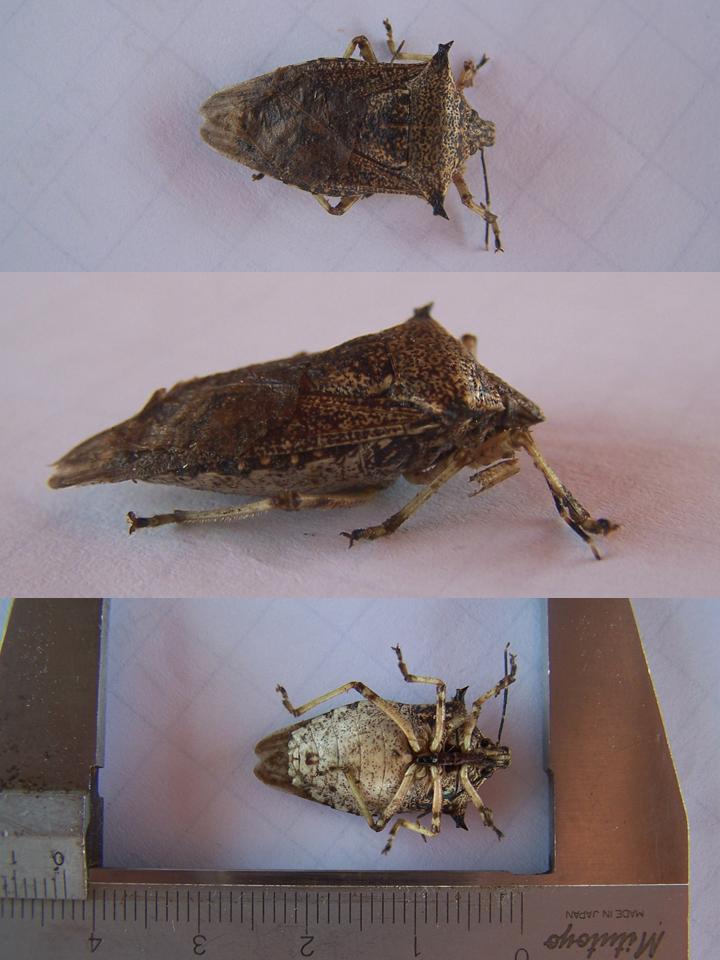
FIGURE 1a - Alcaeorrhynchus grandis, PN Tte Enciso, Departamento Boquerón (Paul Smith October 2007).
Gallery 2 - Discocephalinae: Discocephalini
FIGURE 2a - Antiteuchus sp., Encarnación, Departamento Itapúa (Paul Smith July 2008).
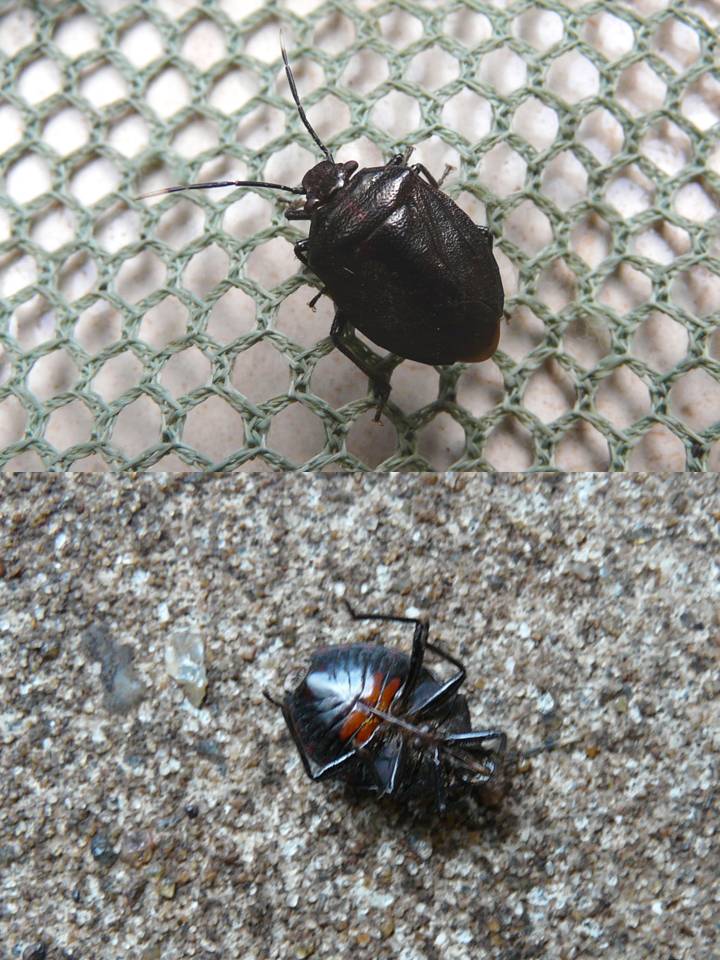
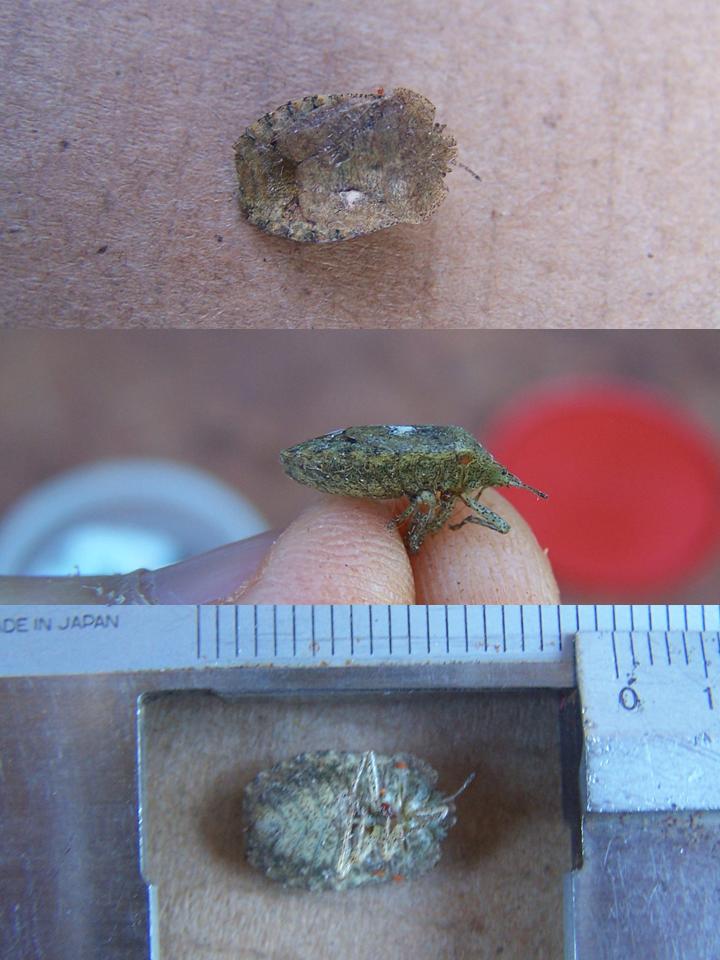
FIGURE 2b - Dryptocephala sp., PROCOSARA, PN San Rafael (Paul Smith November 2007)
 | FIGURE 2a |
|
 | FIGURE 2b |
|
Gallery 4 - Pentatominae: Carpocorini
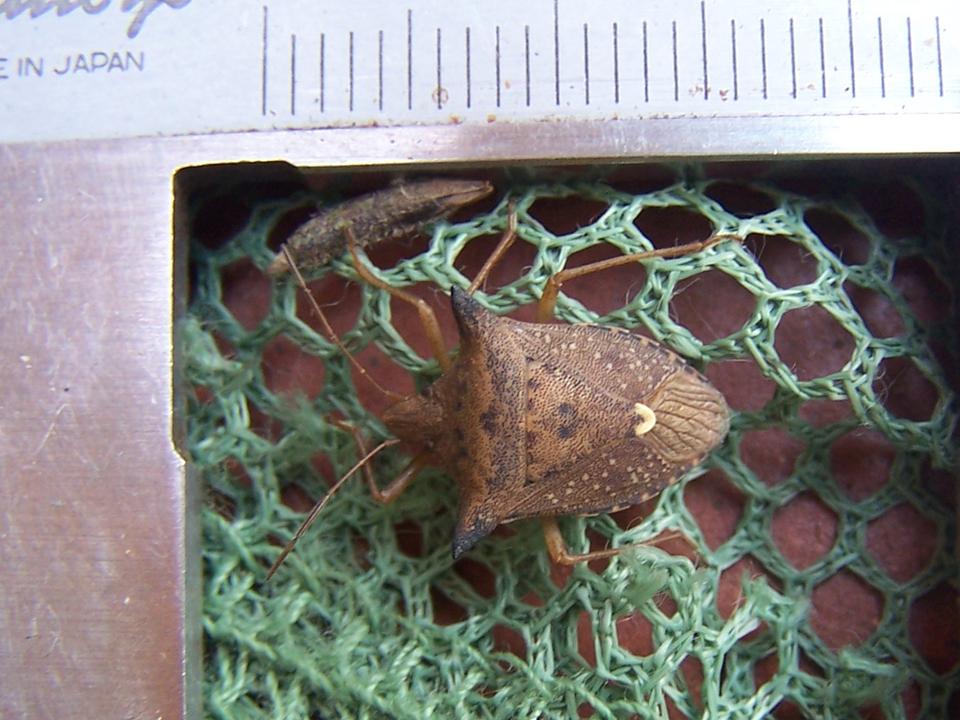
FIGURE 4a - Euschistus sp., Encarnación, Departamento Itapúa (Paul Smith October 2007).
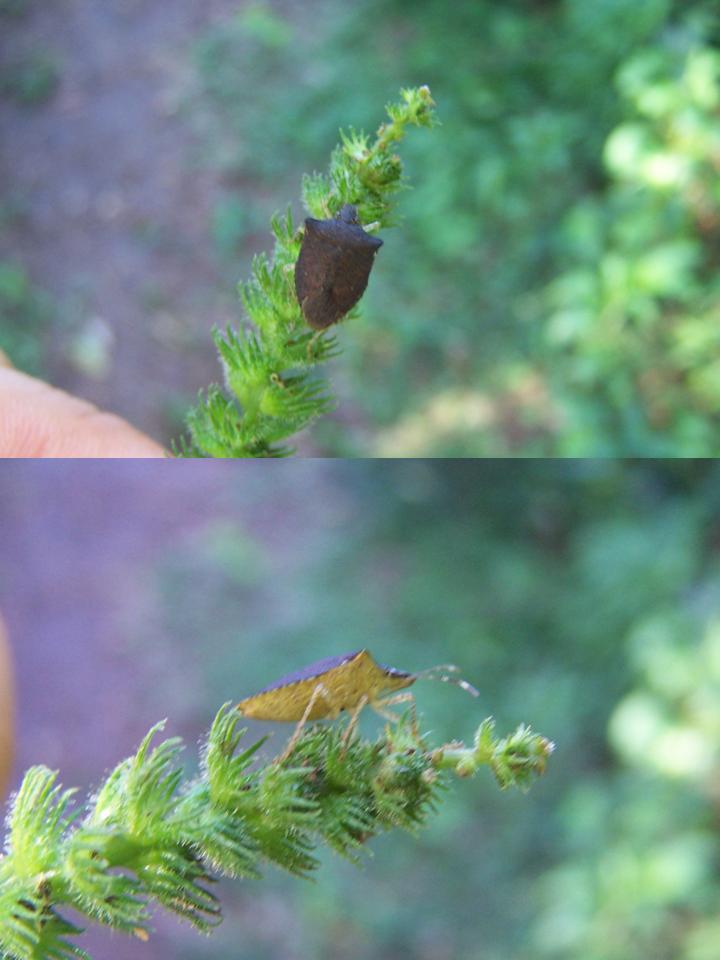
FIGURE 4b - Euschistus sp., PROCOSARA, PN San Rafael (Paul Smith November 2007).
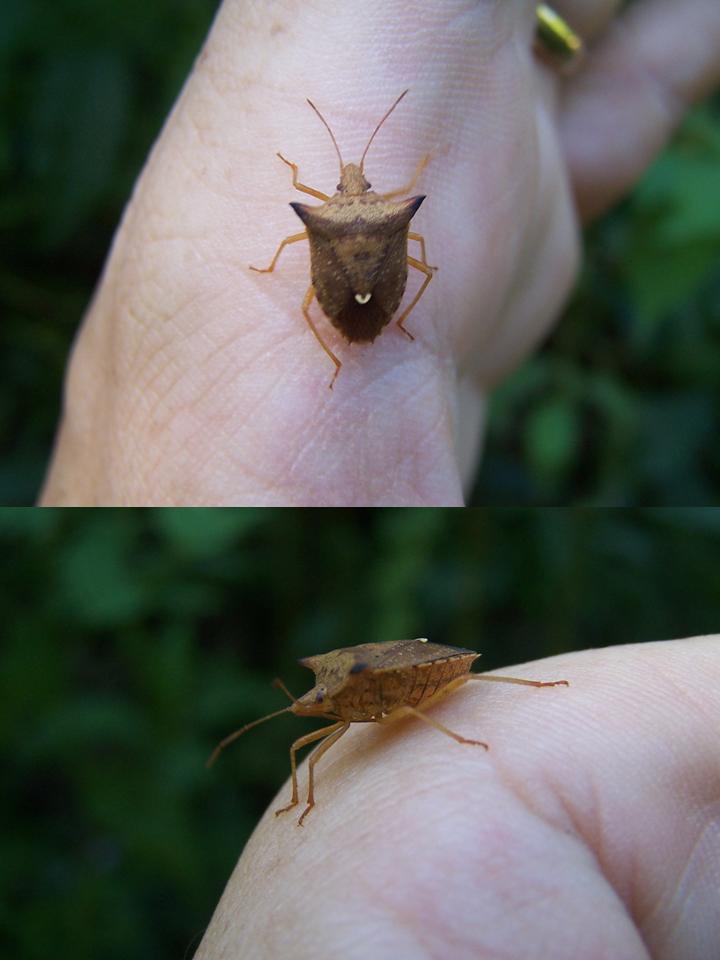
FIGURE 4c - Euschistus sp., PROCOSARA, PN San Rafael (Paul Smith November 2007).
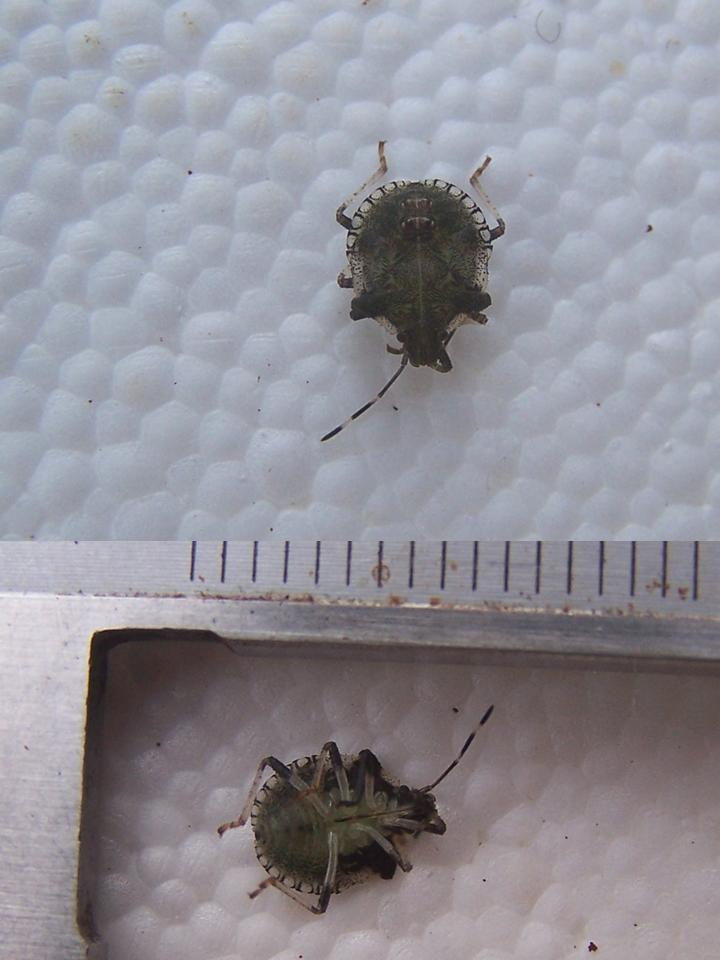
FIGURE 4d - Euschistus sp. nymph, PROCOSARA, PN San Rafael (Paul Smith November 2007).
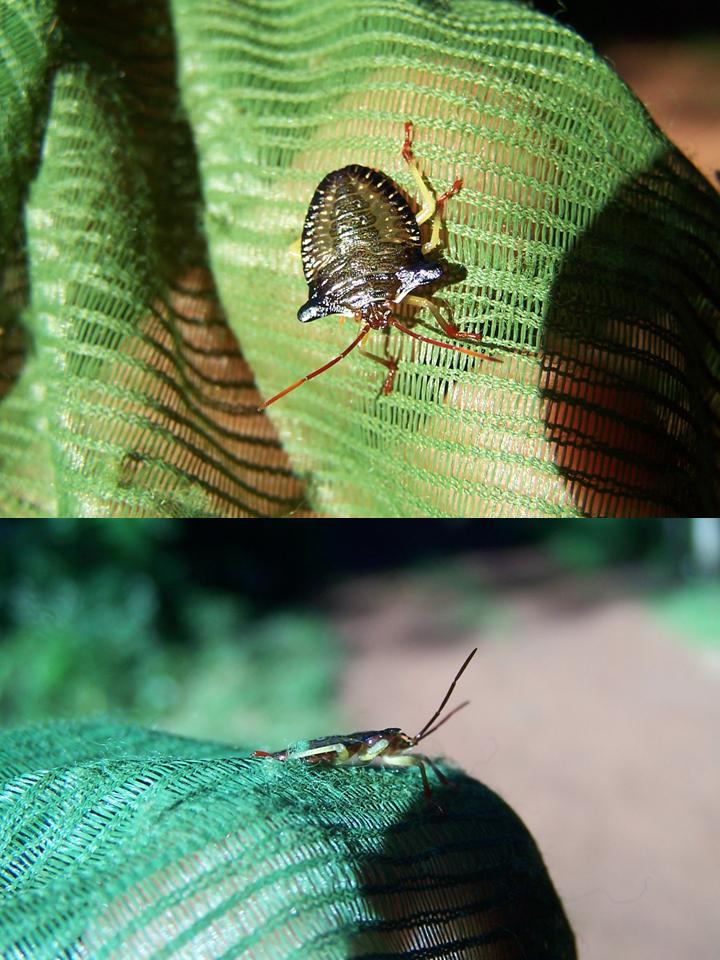
FIGURE 4e - Euschistus sp. nymph, PROCOSARA, PN San Rafael (Paul Smith November 2007).
Gallery 3 - Edessinae
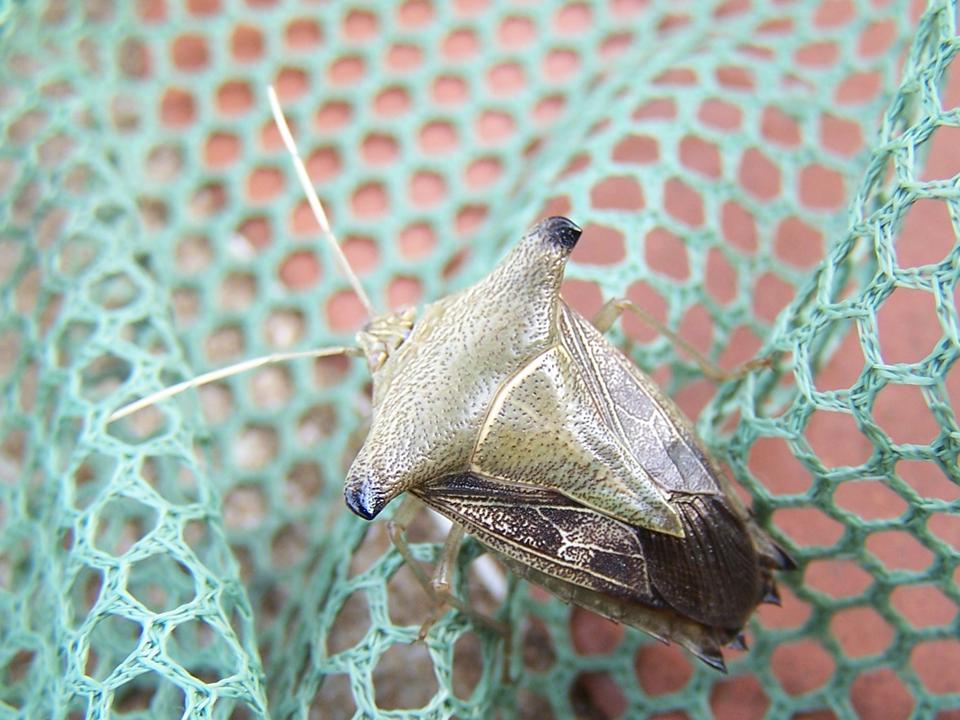
FIGURE 3a - Edessa sp., Encarnación, Departamento Itapúa (Paul Smith August 2007).
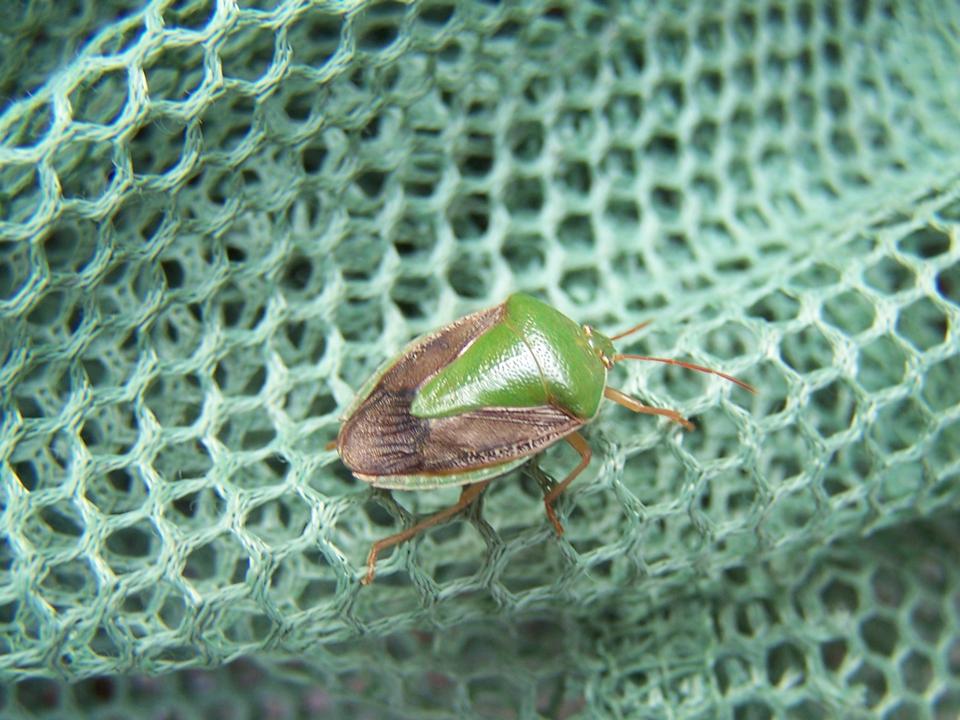
FIGURE 3b - Edessa sp., Encarnación, Departamento Itapúa (Paul Smith September 2007).
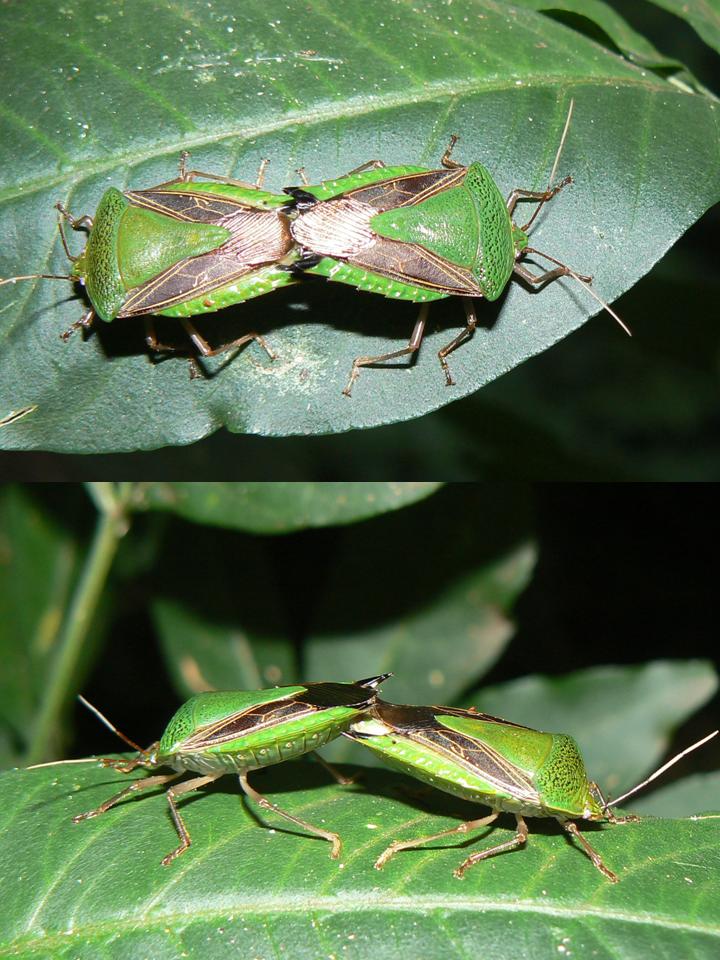
FIGURE 3c - Edessa sp. mating, PROCOSARA, PN San Rafael (Laura Tensen February 2008).
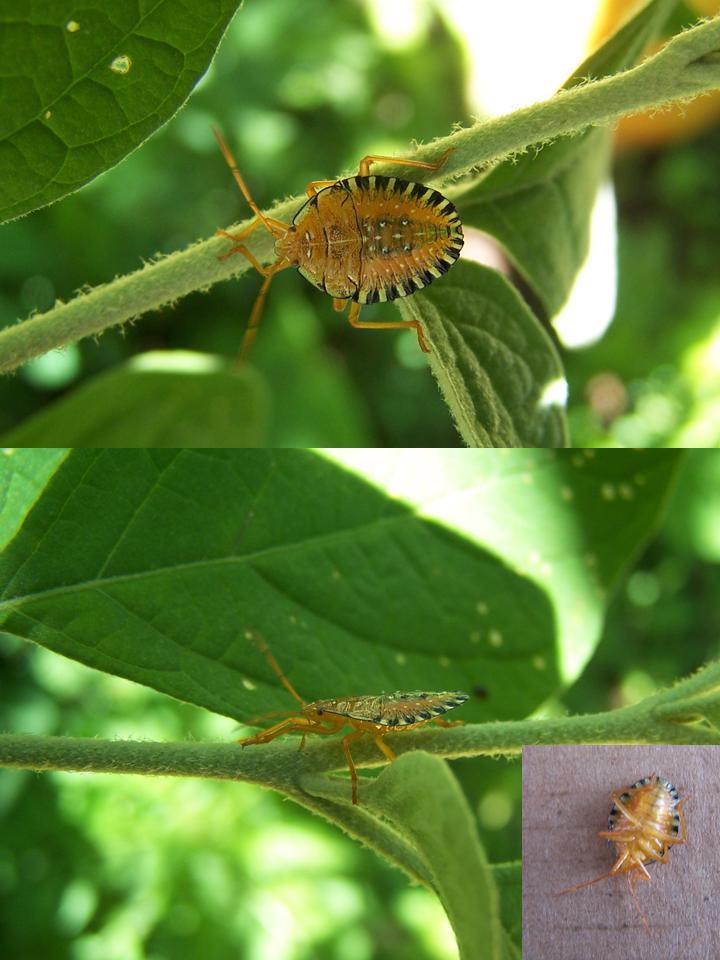
FIGURE 3d - Edessa sp. nymph, PROCOSARA, PN San Rafael (Paul Smith November 2007
 | FIGURE 3a |
|
 | FIGURE 3b |
|
 | FIGURE 3c |
|
 | FIGURE 3d |
|
 | FIGURE 4a |
|
 | FIGURE 4b |
|
 | FIGURE 4c |
|
 | FIGURE 4d |
|
 | FIGURE 4e |
|
Gallery 5 - Pentatominae: Chlorocorini
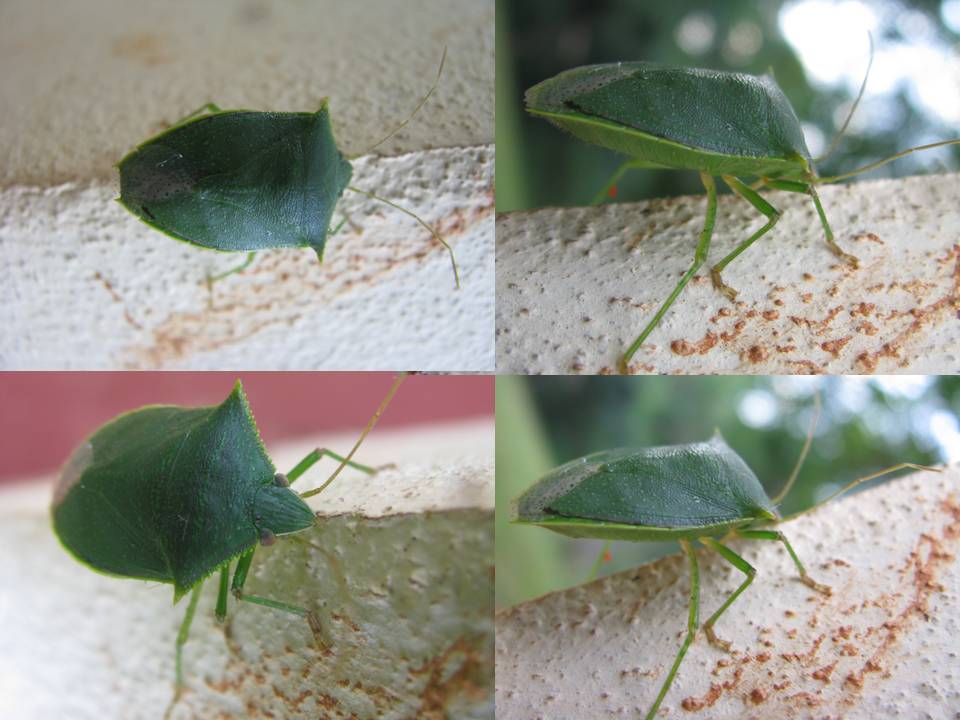
FIGURE 5a - Loxa sp., PROCOSARA, PN San Rafael (Pier Cacciali April 2008).
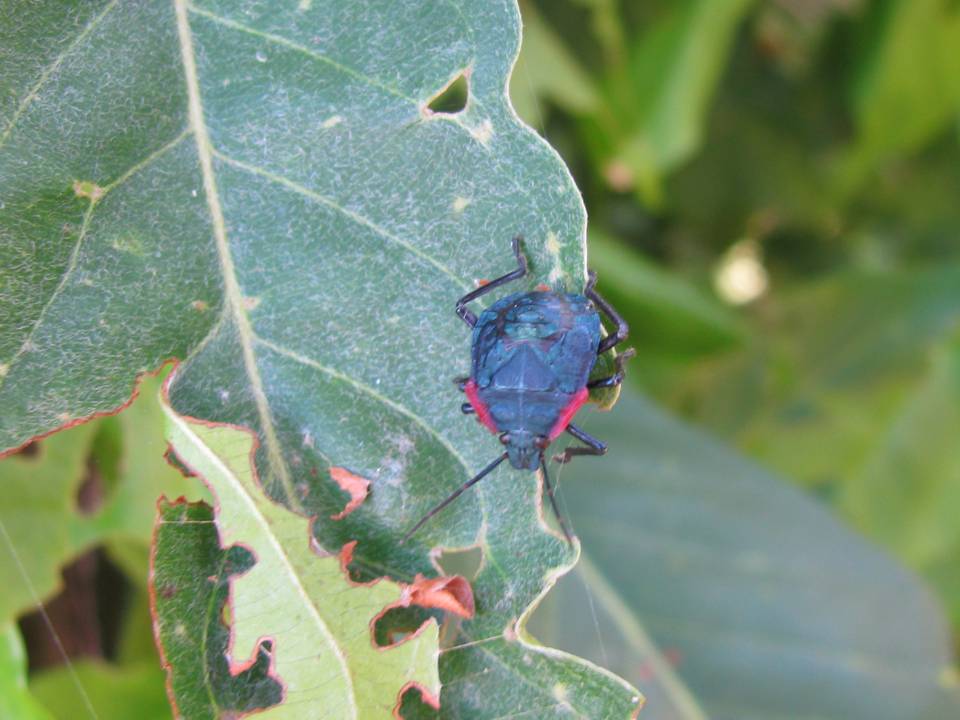
FIGURE 5b - Loxa sp.nymph, PROCOSARA, PN San Rafael (Pier Cacciali April 2008)
 | FIGURE 5a |
|
 | FIGURE 5b |
|
Gallery 6 - Pentatominae: Nezarini
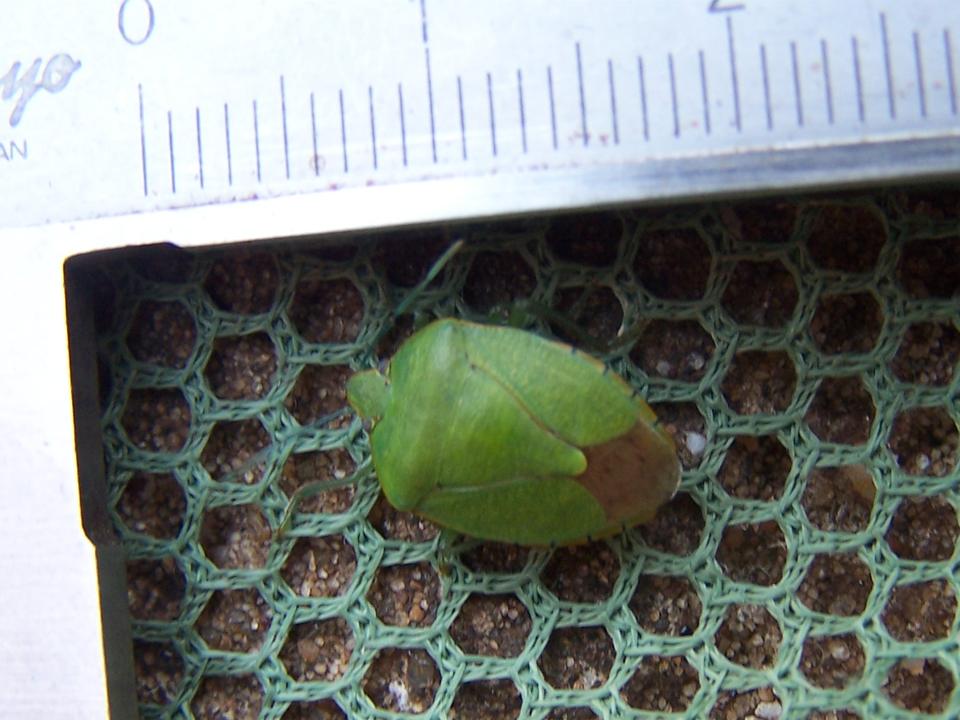
FIGURE 6a - Chinavia sp., Encarnación, Departamento Itapúa (Paul Smith October 2007).
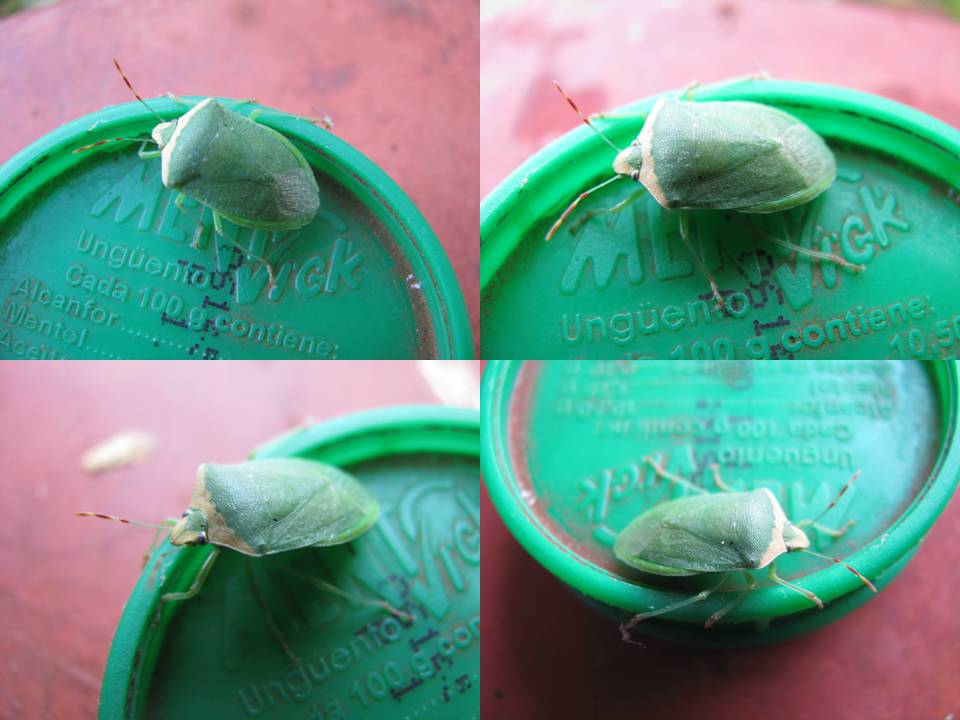
FIGURE 6b - Nezara viridula, PROCOSARA, PN San Rafael (Pier Cacciali April 2008).
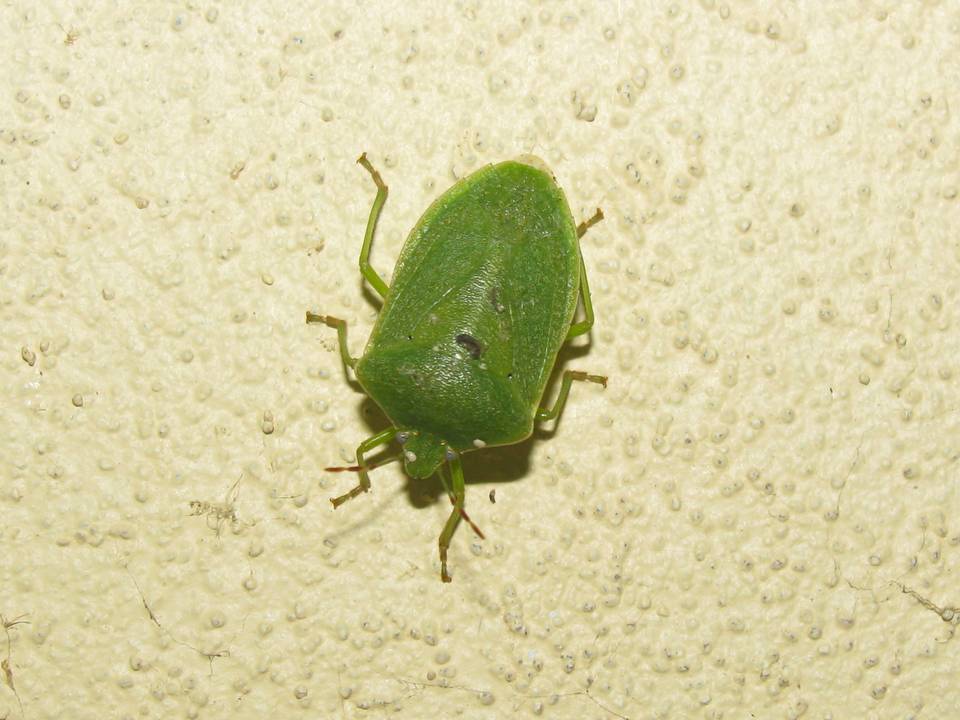
FIGURE 6c - Nezara viridula, PROCOSARA, PN San Rafael (Pier Cacciali April 2008).
 | FIGURE 6a |
|
 | FIGURE 6b |
|
 | FIGURE 6c |
|
 | FIGURE 7a |
|
 | FIGURE 7b |
|
 | FIGURE 7c |
|
 | FIGURE 7d |
|
 | FIGURE 7e |
|
 | FIGURE 7f |
|
 | FIGURE 7g |
|
Gallery 7 - Unclassified
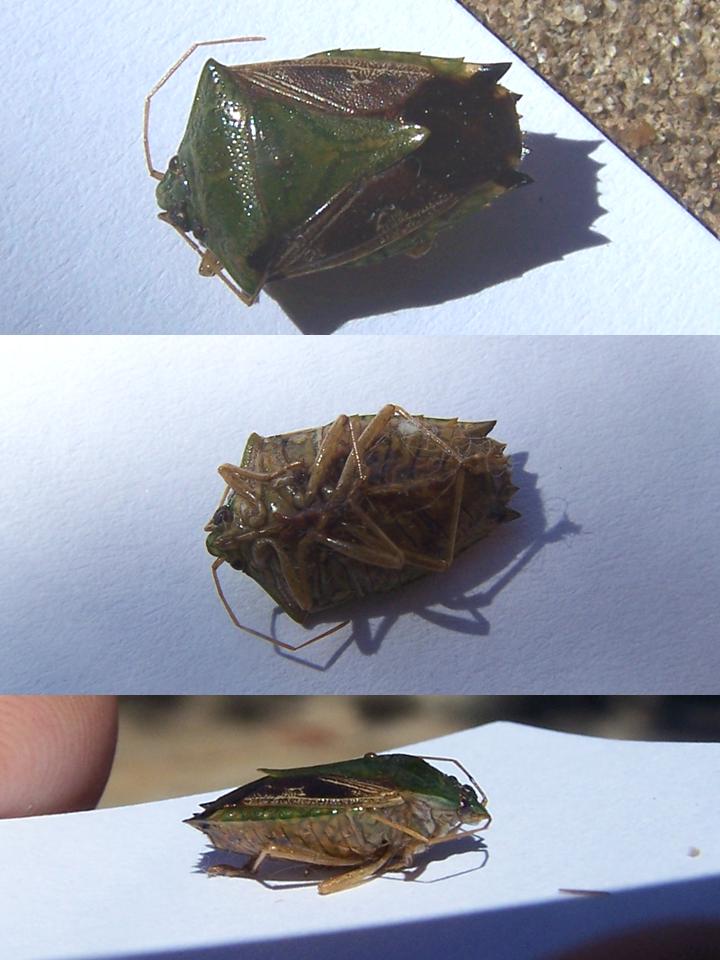
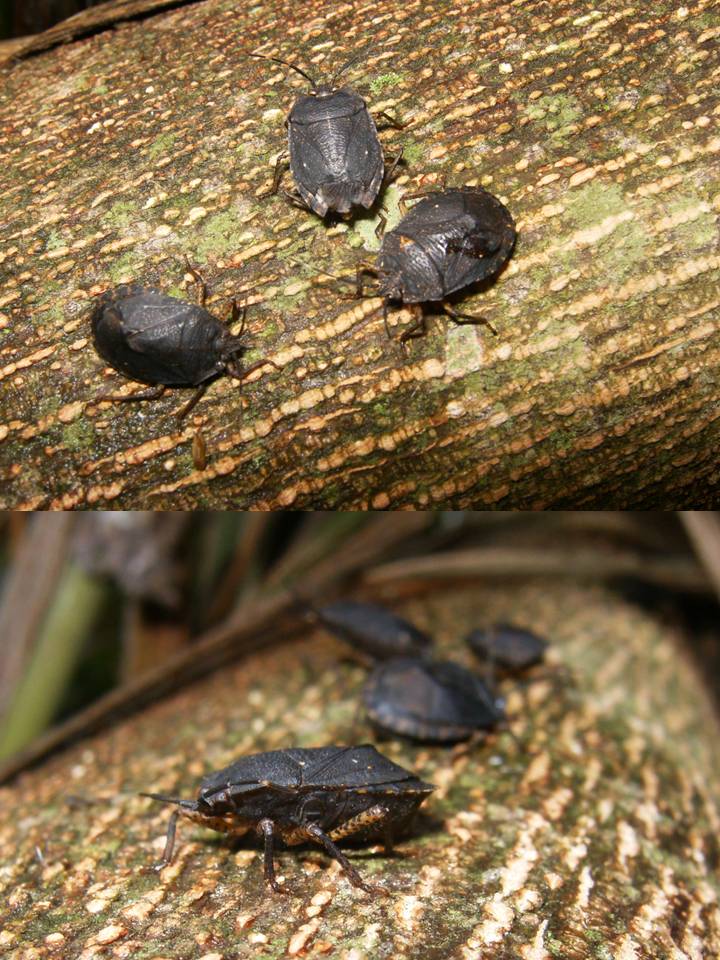
FIGURE 7a - Unidentified sp, PROCOSARA, PN San Rafael (Paul Smith November 2007).
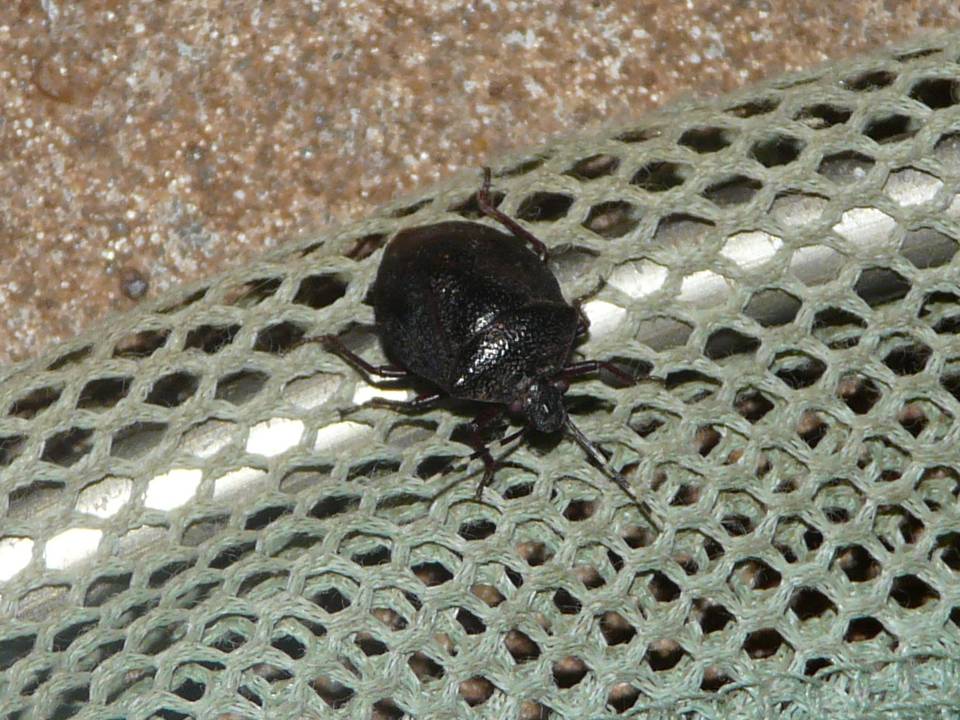
FIGURE 7b - Unidentified sp, PROCOSARA, PN San Rafael (Moriz Stiefel May 2008).
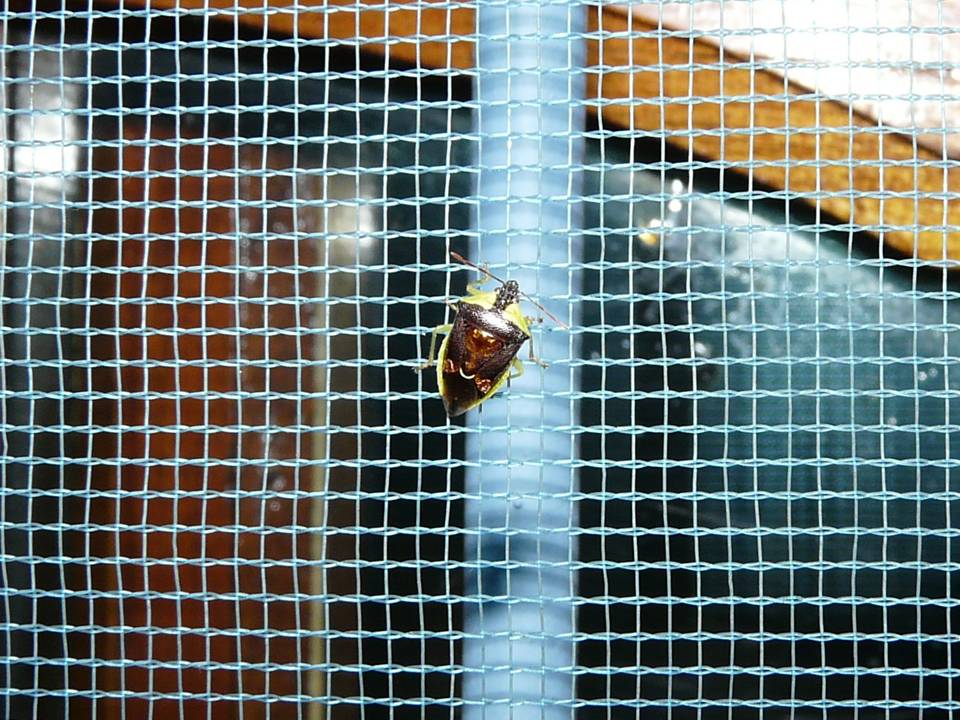
FIGURE 7c - Unidentified sp, Encarnación, Departamento Itapúa (Paul Smith October 2009).
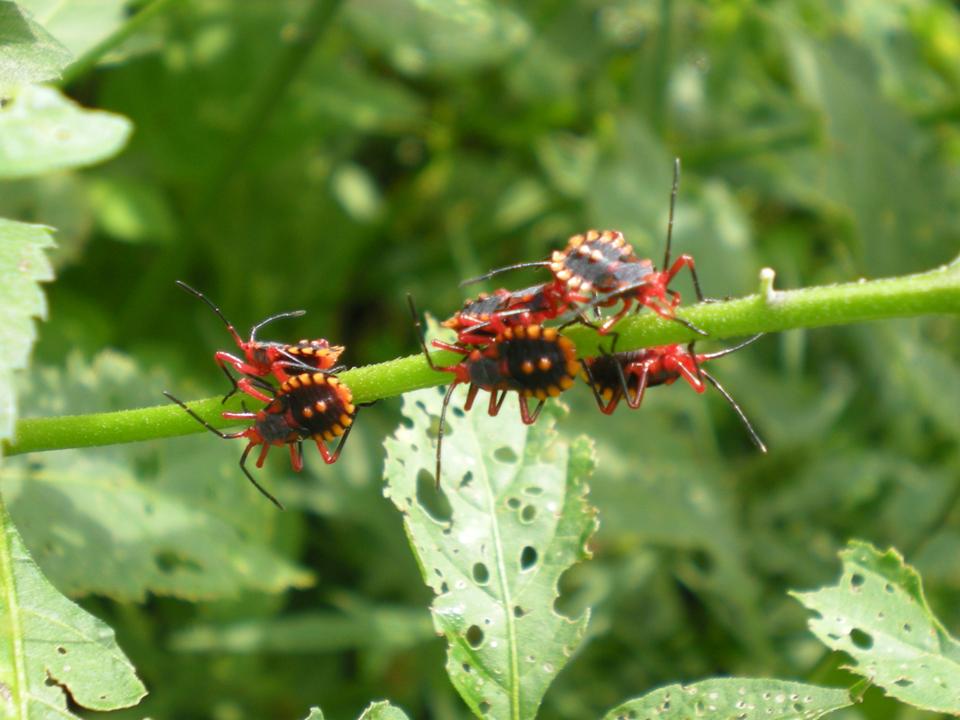
FIGURE 7d - Unidentified sp, Encarnación, Departamento Itapúa (Paul Smith October 2009).
FIGURE 7e - Unidentified sp nymph, PROCOSARA, PN San Rafael (Chris Elder November 2007).
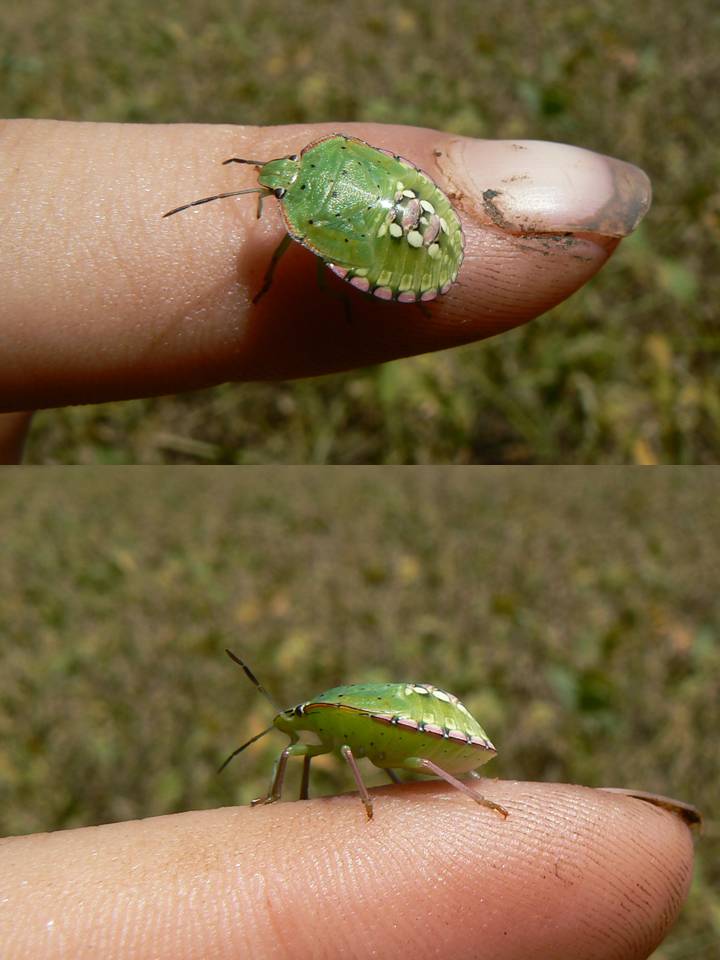
FIGURE 7f - Unidentified sp nymph, PROCOSARA, PN San Rafael (Laura Tensen March 2008).
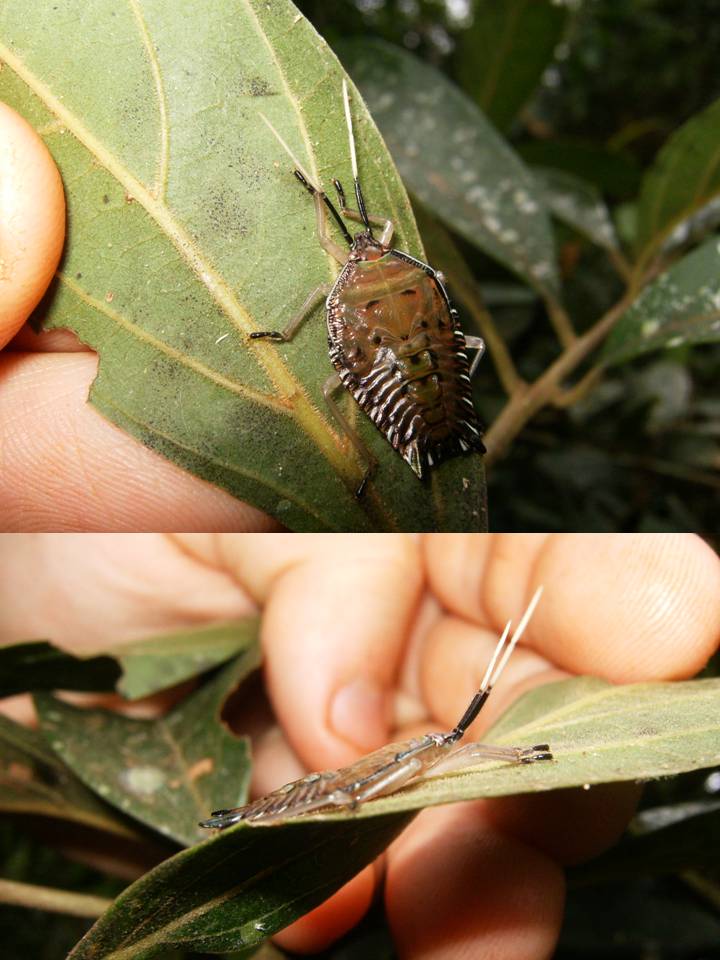
FIGURE 7g - Unidentified sp nymph, PROCOSARA, PN San Rafael (Moriz Stiefel May 2008).