Designed by Paul Smith 2006. This website is copyrighted by law.
Material contained herewith may not be used without the prior written permission of FAUNA Paraguay.
Photographs on this page were taken by Paul Smith and Roberto Derna and are used with their permission.
SMALL-BILLED ELAENIA Elaenia parvirostris
Perhaps the most confusing of all the Elaenias, the variable Small-billed is a birdwatchers nightmare. Found in semi-open scrubby areas he is an inconspicuous bird, easily overlooked amongst the foliage on account of his drab greenish plumage and secretive behaviour.
Click on the images to enlarge them.
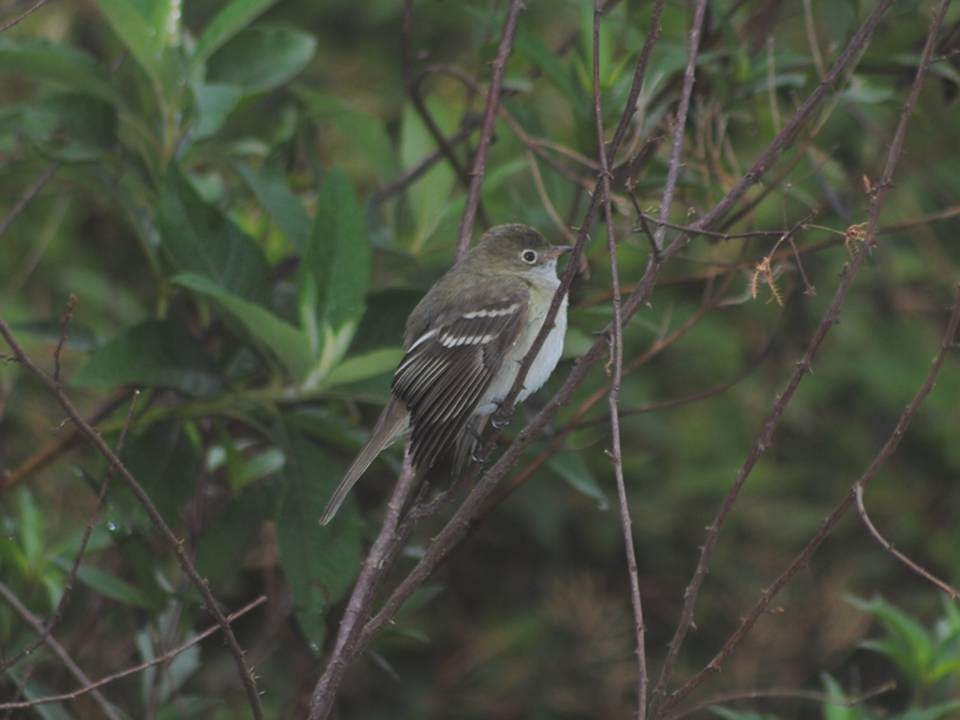
FIGURE 1 - (FPAVE3328PH) Adult, Encarnación, Departamento Itapúa (Roberto Derna September 2011).
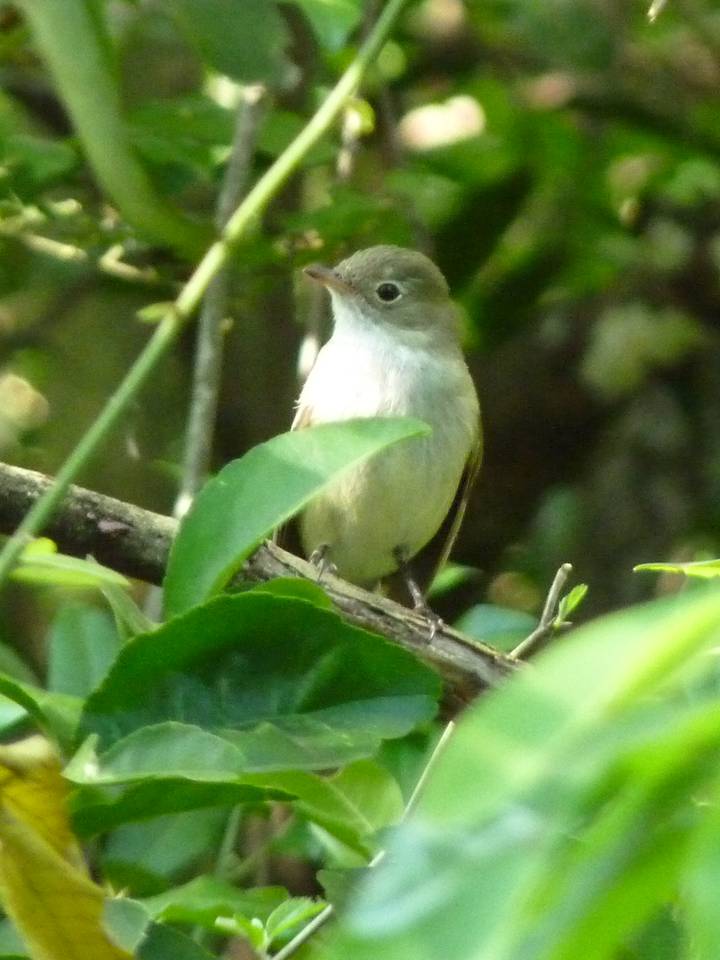
FIGURE 2 - (FPAVE3329PH) Adult, Encarnación, Departamento Itapúa (Roberto Derna October 2011).
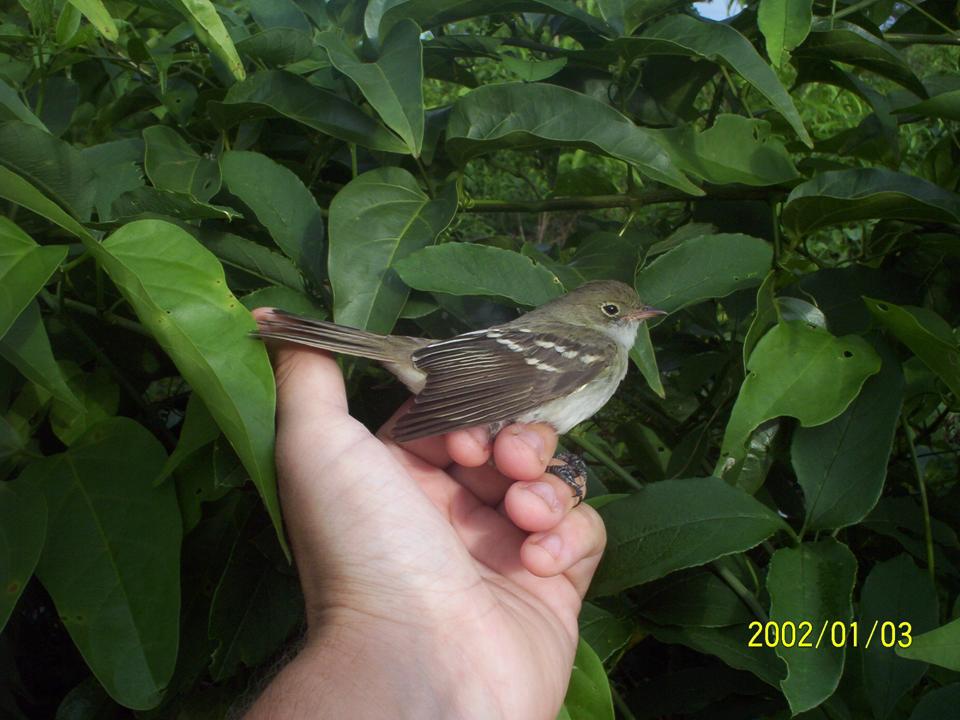
FIGURE 3 - (FPAVE3330PH) Adult showing two wing bars, Estancia Laguna Blanca, Departamento San Pedro (Paul Smith November).
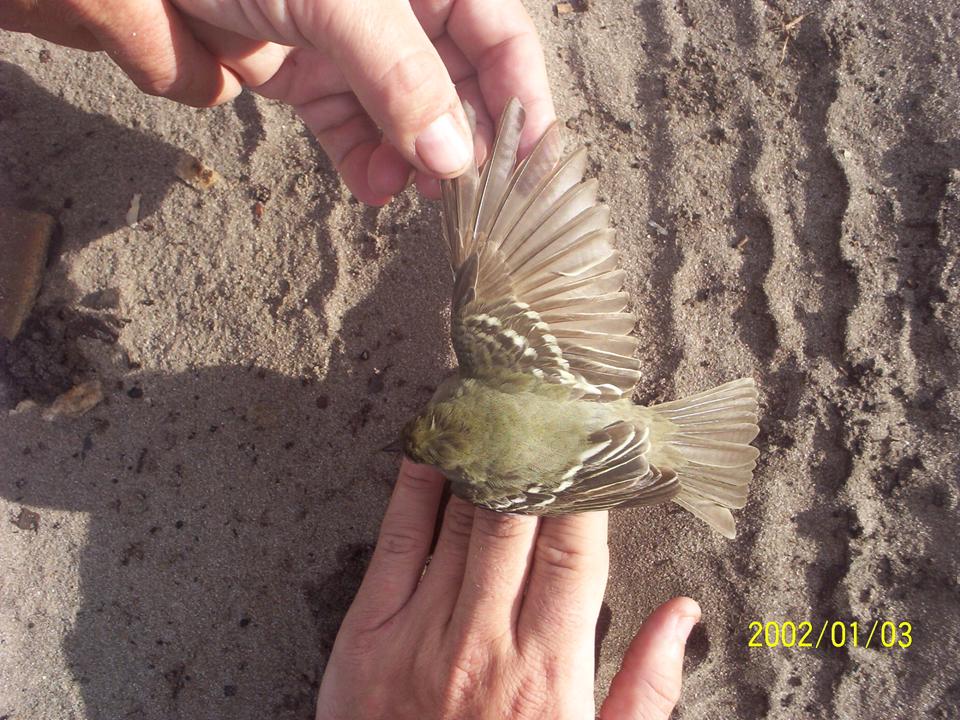
FIGURE 4 - (FPAVE3331PH) Same individual upperwing (Paul Smith November).
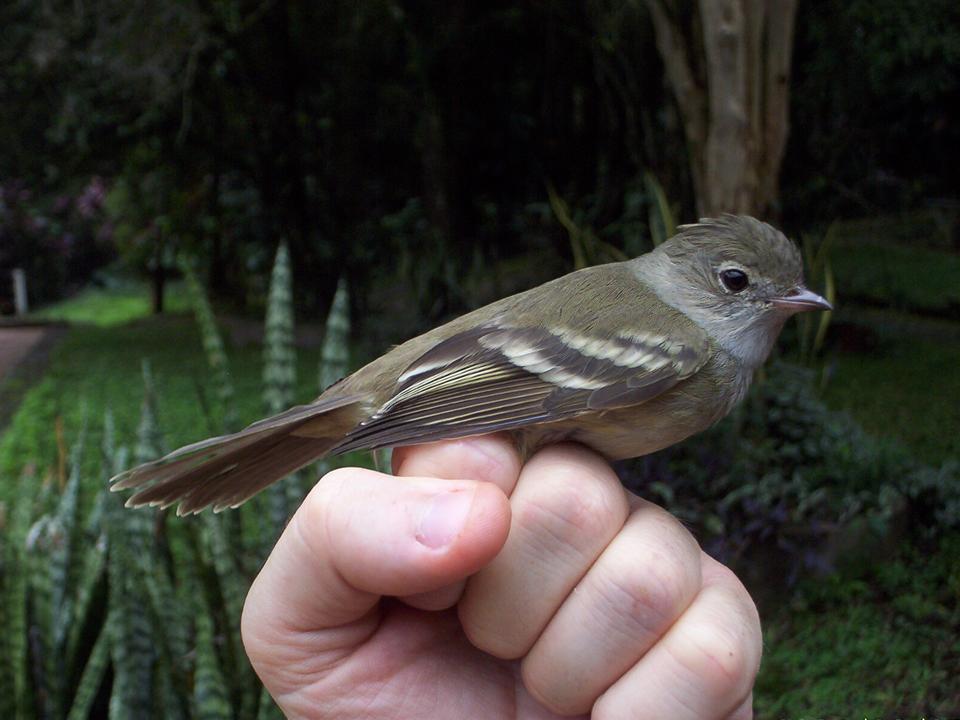
FIGURE 5 - (FPAVE3332PH) Adult showing three wing bars, Hotel Tirol, Departamento Itapúa (Paul Smith June).
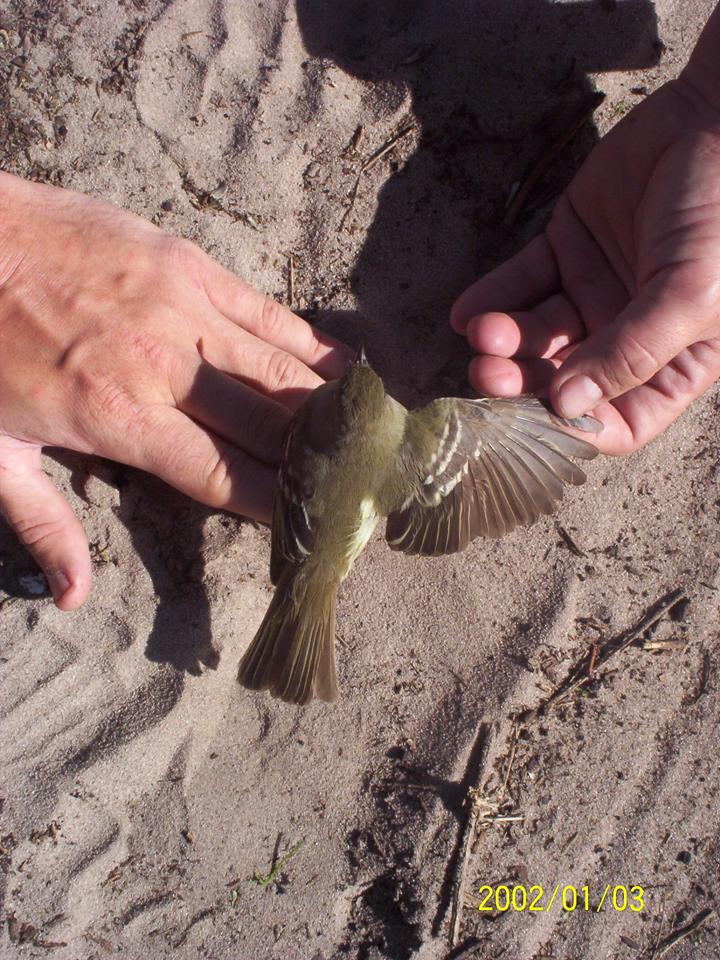
FIGURE 6 - (FPAVE3333PH) Adult showing three wing bars upperwing, Estancia Laguna Blanca, Departamento San Pedro (Paul Smith November)
Elaenia identification is notoriously difficult and the variability of this species makes it a prime candidate for confusion. In brief a small elaenia with three visible wing-bars can only be this species, the much larger Large Elaenia Elaenia spectabilis is the only other Paraguayan species that usually has three visible wing-bars. However some Small-billed individuals show only two wing-bars and are hence easily confused with White-crested Elaenia Elaenia albiceps another similarly-sized species showing limited pale yellow on the underparts. White-crested usually has a visible white crest which gives the nape a "ragged" appearance, whilst this species generally appears more smoothly, round-headed.
|
|
FIGURE 1
|
|
|
|
FIGURE 2
|
|
|
|
FIGURE 3
|
|
|
|
FIGURE 4
|
|
|
|
FIGURE 5
|
|
|
|
FIGURE 6
|
|