Designed by Paul Smith 2006. This website is copyrighted by law.
Material contained herewith may not be used without the prior written permission of FAUNA Paraguay.
Photographs on this web-site were taken by Paul Smith and are used with permission.
LAGUNA BLANCA SHORT BREAK
Introduction:
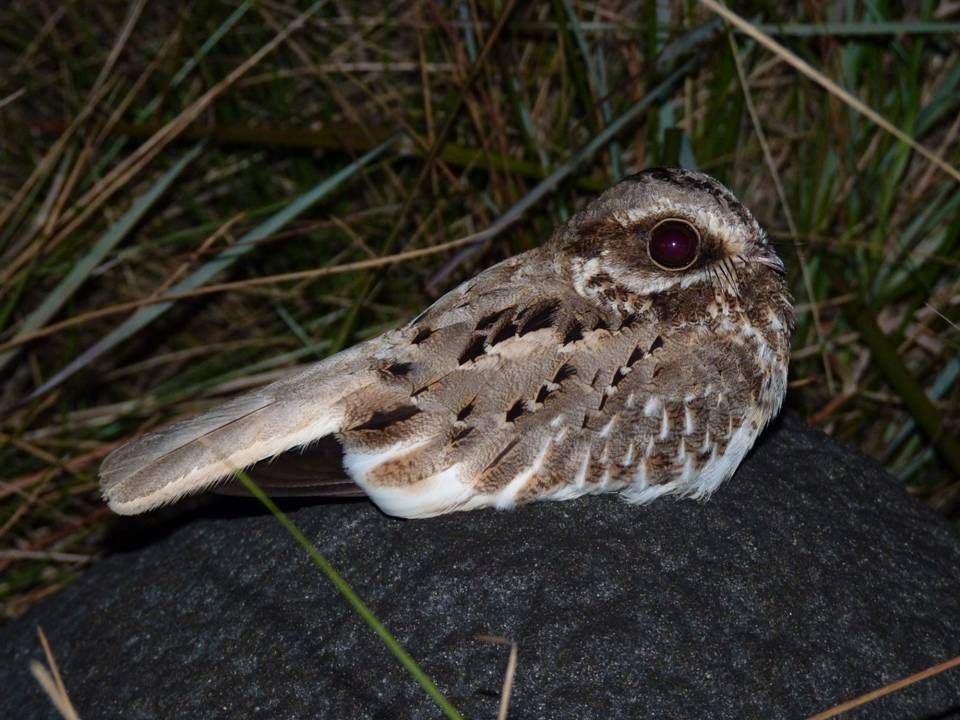
Set on the shores of a crystal clear lake with a glorious sandy beach, Reserva Natural Laguna Blanca is an idyllic place. Add to that the fact that it is home to a banquet of globally-threatened cerrado birds and you have all the ingredients for a memorable short break just a few hours drive from Asunción. As one of only three sites in the world where the critically endangered White-winged Nightjar is known to occur, this is a vital stop on the itinerary of any global twitcher, while a smorgasbord of other birds, beasts and butterflies will delight anybody who just likes to revel in the unspoilt beauty of the area.
White-winged Nightjar male (right) Eleothreptus candicans
FAUNA Paraguay tours are recommended by:
FAUNA Paraguay eco-tours are promoted by:
|
|
|
|
 |
Birdfinders |
|
Main Targets:
Though teeming with marshbirds, our main reason for visiting Arroyos y Esteros is to tick off Strange-tailed Tyrant. Cerrado specialities will be our targets at Laguna Blanca. These include cerrado endemics like White-banded and White-rumped Tanagers, Black-throated Saltator, Curl-crested Jay, Lesser Nothura and of course the critically endangered White-winged Nightjar. Other grassland specialities we would hope for are Black-masked Finch, Cock-tailed Tyrant and Sharp-tailed Tyrant.
Recommended duration:
To get the best from this tour we suggest at least 3 days.
Best time to visit:
This tour is available year round. The "rainy season" is from October to November when mud can occasionally be a problem and there are more insects around. However this is also the best time of year for reptiles and amphibians, and increases the chance of seeing "cappuccino" seedeaters on passage.
Itinerary:
Day 1 - Early visit to Arroyos y Esteros and continue to Reserva Natural Laguna Blanca. Night drive.
Day 2 - All day birding and wildlife-watching at Reserva Natural Laguna Blanca. Night drive.
Day 3 - Morning birding and wildlife-watching at Reserva Natural Laguna Blanca. Return to Asunción and end of services.
(Itineraries are subject to change according to levels of animal activity or client´s preference.)
What else might we see?:
Laguna Blanca counts on pristine cerrado and some incredible birding. The cerrado is one of the fastest-disappearing habitats on earth, yet it is doing so quietly and along with it are disappearing the unique community of birds and animals that inhabit it - an extraordinary total of 14 globally-threatened birds occur on this 2000ha estate. Cerrado is of particular interest to birders because of a serious of restricted-range, highly-threatened species that inhabit it and these will be our targets during this short break.
We begin our trip in Asunción and en route to Laguna Blanca we´ll make a stop over at Arroyos and Esteros, a great place to observe the charismatic but highly-threatened Strange-tailed Tyrant. There a host of other wetland birds here too, Maguari Stork, countless herons, Rusty-collared and Tawny-bellied Seedeaters, Crested Doradito, Long-tailed Reedfinch, Limpkin and many more. Once the ticks start to try up here we´ll continue on to Laguna Blanca, our base for the next three days. Our accommodation is in the ranch house, sitting on a white sand beach on the shores of a crystal clear lagoon. The lagoon attracts birds, there are Ash-throated Crake and Azure Gallinule in the reedbeds, whilst during the southbound migration rare seedeaters such as Chestnut, Dark-throated and Marsh may be seen. Circling over the lagoon look out for Hook-billed Kite, King Vulture, Plumbeous and Swallow-tailed Kites amongst other raptors.
Though there is some degraded humid forest here that we will check out (Helmeted Woodpecker, Red-ruffed Fruitcrow and Black-throated Trogon have been recorded here), our main focus will be on the cerrado. The cerrado is a patchwork of microhabitats each with its own bird communities. For example in sensu strictu cerrado (bushes but no grass) we might expect Tawny-crowned Pygmy-Tyrant, the near threatened White-banded Tanager, cerrado endemic Black-throated Saltator, Lesser Elaenia, Red-crested Finch, and Pearly-vented Tody-Tyrant. In cerradón (cerrado forest) we´ll look out for Rufous Casiornis, Purplish Jay, Undulated and Tataupa Tinamous, Scaled Dove, Scaly-headed and PileatedParrot and Rusty-backed Antwren. Campo sucio cerrado (open fields with scattered islands of forest) is great for cerrado endemic Curl-crested Jay, White-rumped Monjita, Small-billed and Red-winged Tinamous, White-rumped Tanager, Greater Rhea, the endangered Crowned Eagle and Campo Flicker. Campo limpio is cerrado in its purest forms, dominated by tall, wavy grasses that create an optical illusion on the eye and inhabited by some of the most sought after species of all. Here we will look for cerrado specialities such as Plumbeous Seedeater and Red-legged Seriema, as well as globally-threatened birds like Sharp-tailed Grass-Tyrant, Bearded Tachuri, Black-masked Finch and the diminutive Lesser Nothura - this being the only known location for this bird outside of Brazil.
The action keeps going after dark, Laguna Blanca being one of the top nightbirding spots in the country. Top of everybody´s wish-list is the endangered White-winged Nightjar, a bird known from only three localities on earth, two of them in Paraguay. But there are plenty of other nightbirds here too Little, Rufous and Scissor-tailed Nightjar for example, Pauraque, Common Potoo, Tropical Screech-Owl, Burrowing Owl, Ferruginous Pygmy-Owl - the list goes on and on. We´ll also see mammals on our night drives, various armadillos, Crab-eating Fox, Grey Brocket Deer and Collared Peccary amongst the most commonly seen, but there is also a chance of Maned Wolf.
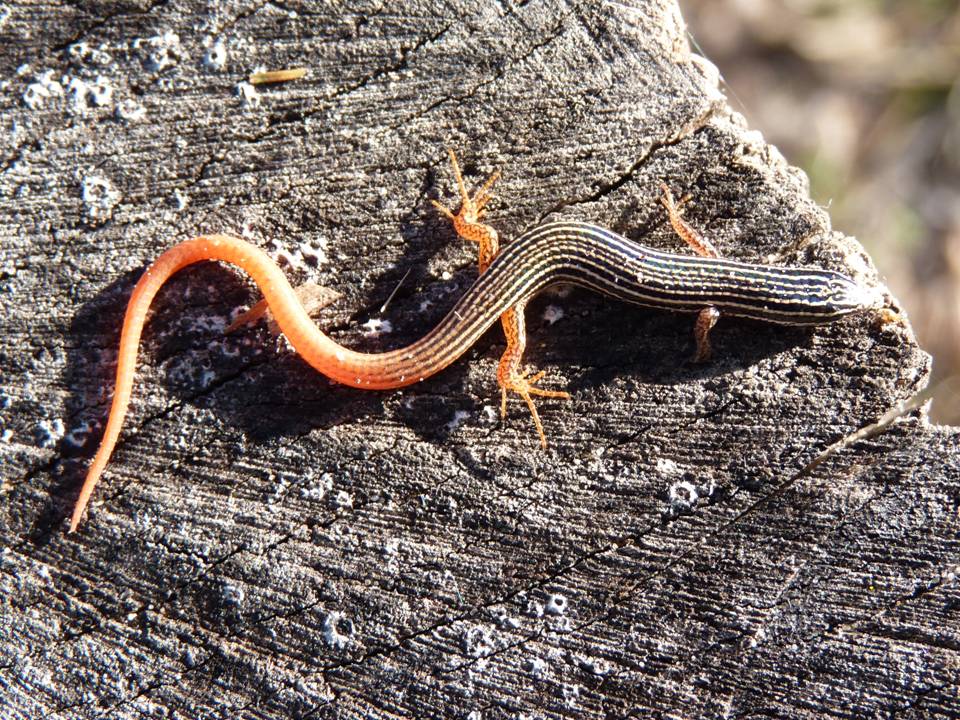
If you are interested in frogs then October and November is the time to visit when the arrival of the rains signals the croaking chorus of frog breeding season. A large number of species can be recorded in the reedbeds around the lakes including White-lipped Tree-frog and Yellow-legged Snouted Tree-frog. More localised species include the rare Natterer´s Eyed Frog whilst the impressive Rococo Toad feasts on insects attracted to lights. Amongst the reptiles the most commonly obeserved species are the gorgeous Four-toed Whiptail Lizard and the equally ornate Chaco Spiny Lizard. Butterflies and moths abound in breathtaking numbers.
Add an extra day if you like your eco-tourism more laid back. It´ll give you time to take advantage of the gorgeous sandy beach and the crystal clear waters of the lagoon and still see the animals.
What does it include?:
The price includes pick-up from and return to Asunción hotel, accommodation, transport, food, non-alcoholic drinks and guiding fees.
It does not include travel insurance, personal expenses, alcoholic drinks or travel costs incurred before the beginning of the tour or after return to Asunción.
For further information or to book your tour email us at faunaparaguay@yahoo.com.ar
Red-tailed Vanzosaur Vanzosaura rubricauda